


Chief Ayiri Emami Calls for Decentralisation of Pipeline Surveillance Contract
- by Taju, Warri, HSN
- about 3 months ago
- 724 views

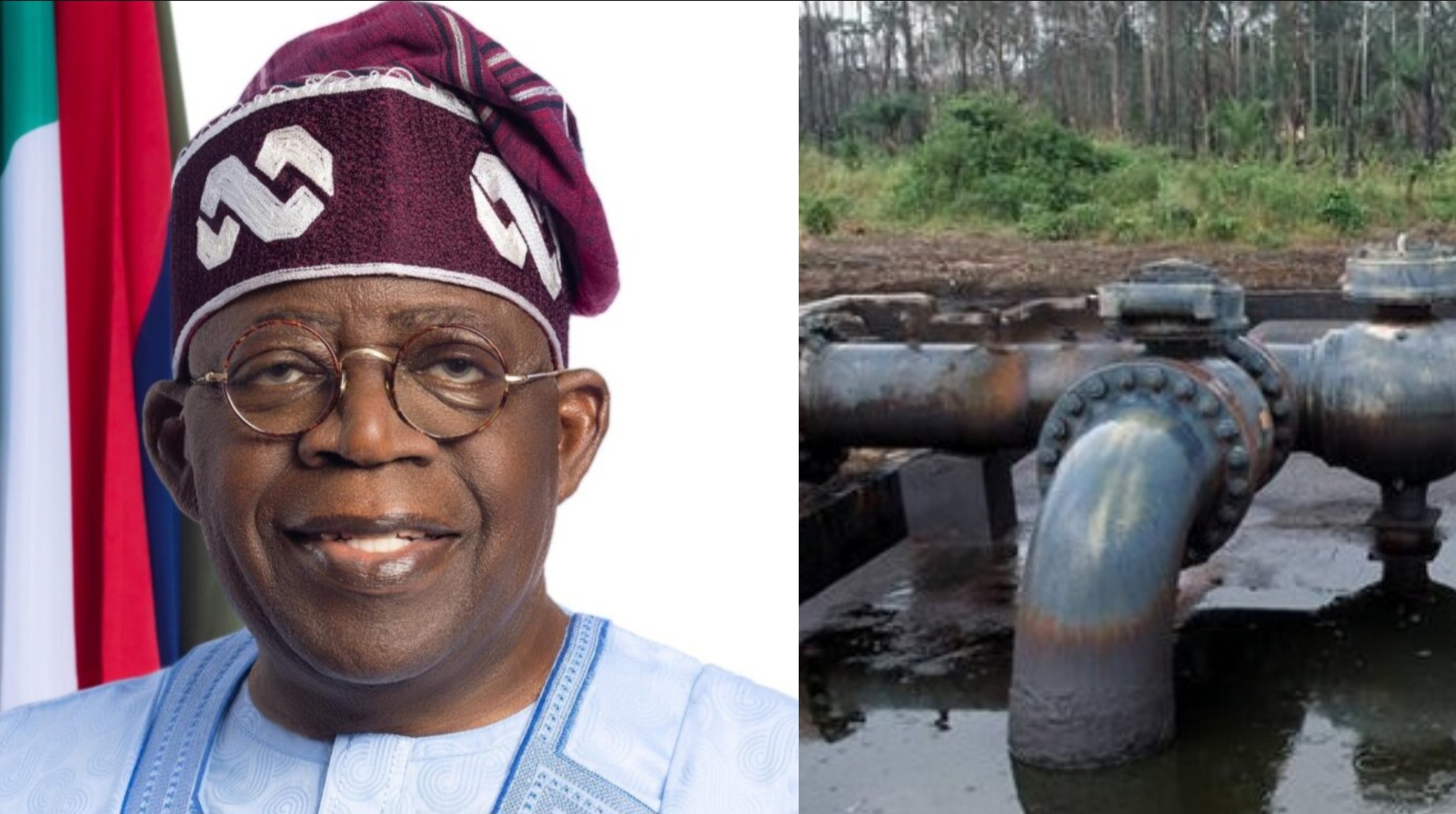
Prominent Niger Delta leader and businessman, High Chief Ayiri Emami, has called on President Bola Ahmed Tinubu to decentralise the federal government's pipeline surveillance contract, arguing that placing such a critical national security responsibility in the hands of a single individual poses significant risks.
Chief Emami made the appeal while addressing journalists during a press briefing of the ward delineation held at his palace in Warri. During the briefing, he expressed concerns about the current structure of the pipeline surveillance arrangement and urged the Federal Government to adopt a more inclusive approach by involving stakeholders and host communities across the Niger Delta region.
According to him, the pipeline surveillance contract should be distributed across the various Niger Delta states and managed by credible state-based stakeholders and host communities. He argued that such an arrangement would improve accountability, enhance operational effectiveness, and promote broader participation among communities directly affected by oil and gas activities.
Chief Emami maintained that concentrating the contract in the hands of one individual could create what he described as a national security risk. He warned that excessive control by a single operator could potentially be used to suppress opposing interests and limit the participation of other stakeholders within the region.
His remarks add to a growing list of calls by influential Niger Delta leaders advocating for the decentralisation of pipeline surveillance operations. Over the years, several stakeholders have urged the Federal Government to restructure the contract framework to ensure greater inclusiveness and community ownership.
Among those who have publicly supported the decentralisation of the pipeline surveillance contract are King Michael Ateke Tom, High Chief Victor Ben Ebikabowei, popularly known as Boyloaf, and High Chief Bibopere Ajube, also known as Shoot-at-Sight. Other regional leaders and community representatives have similarly called on the President to spread the surveillance responsibilities across the Niger Delta states in the interest of peace, stability, and national security.
Supporters of decentralisation argue that involving state-based stakeholders and host communities would strengthen local participation, improve monitoring efforts, and reduce tensions within oil-producing communities. They also believe that a broader management structure would create a more transparent and accountable system for protecting critical oil and gas infrastructure.
Chief Emami's intervention comes amid ongoing discussions about the best approach to securing oil pipelines and combating crude oil theft in the Niger Delta. He urged the Federal Government to carefully consider the long-term security implications of the current arrangement and take steps to ensure that pipeline surveillance responsibilities are shared among qualified stakeholders across the region.
He concluded by appealing to the President to prioritise peace, stability, and national security by reviewing the existing framework and implementing a decentralised model that reflects the interests of host communities and the wider Niger Delta region.








0 Comment(s)